Bill Zygmant
Let The Photographs Speak

I was born with a cleft palette, which made it difficult to talk. I remember that I went to the Saturday morning Matinee, and then to watch Spurs (Tottenham Hotspur Football Club) in the afternoon. At the pictures, I saw the film stars being photographed and knew I couldn’t be a film star, so I decided that I would become a photographer; I would let the photographs speak for me.
When I started work, I wanted to work as a photographer. I met this girl, and her father knew somebody who worked at the Evening Star newspaper in London, and I had a phone call and they said ‘come and see us’. I was just a boy, but I learned so much from the photographers. They brought in some of their old cameras, so I could learn on them. I used to go out and take my own pictures and they would publish them. I got £2.90 for a picture, so that is where it all started.
The Evening Star closed with the News Chronicle so I was out of a job. I couldn’t get another job with the newspapers, so I went to agencies and a did a lot of work for the local paper. Before I went freelance, I worked for Pictorial Press. I wasn’t making a lot of money, and I asked for a commission, and they didn’t give it, so they said go! So I left. I went to one agency called Paul Popper and they knew my work from Pictorial Press, so they gave me a job and then I moved to Rex Features; I have been with them ever since.
When it came to photographs, I would think of an idea that was different and put it to the band or artist. I always made sure that I took at least five different photos, so then I could sell them to five different papers and magazines. Each picture was different, so they could each have a unique photo. All typical promotional shots at the time were heads and close-ups, so I wanted to do something different.
I had photos in all the newspapers every week, including Melody Maker, so I would get a tip-off from agents and PR companies, as they knew their clients would stand a good chance of having the photos in the media. Once you get a reputation like that, the work comes flooding in, though sometimes I would have to invent scenarios to create some publicity.
So many photos at the time looked the same. I always wanted to use other locations, like Hyde Park and the park in Notting Hill. I looked where was convenient for them. The management of most of the artists wanted complete control and they could do it then. But now, with social media and mobile phones, they can’t keep control of the photos out there. In the ‘60s and ‘70s it was a magic time as photographers. We had the biggest stars, and we only had film not digital, so we had to get it right, because you couldn’t tell what you had until you got home. We didn’t realise at the time how incredibly lucky we were. Looking back, I could have done more.
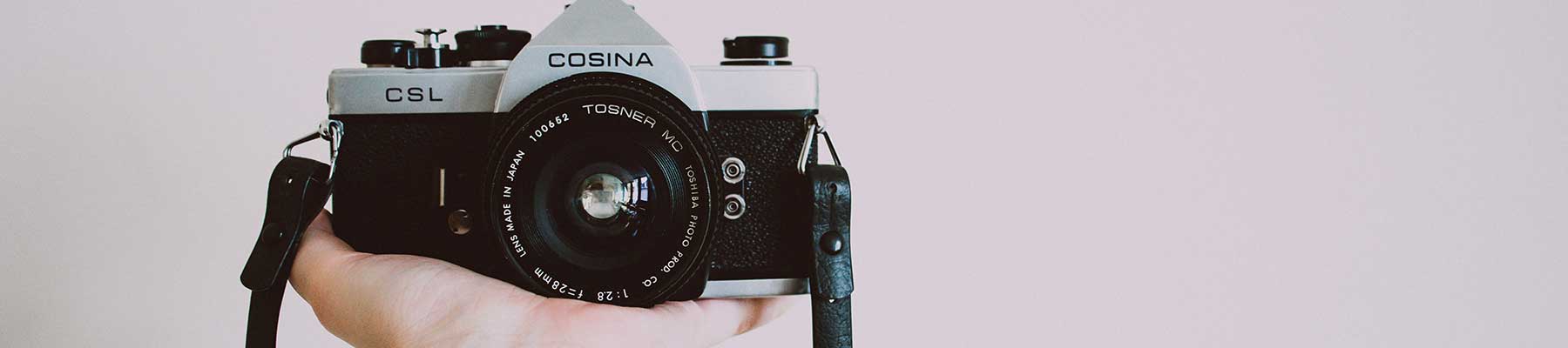
When I was 21, I used to use Nikons, 35mm of course. The quality was very good, but the magazines wanted square photos, so I changed to a Hasselblad. At one time I had five of them with different lenses, but the main one was a 150mm or a 40mm. I liked to use a wide angle to give you more of effect. A long-focus lens affects depth of field, so that the background is more distant or blurred, with the person in sharp focus.
The first camera cost me £275.00 with an 80mm lens and two backs. Now they are over £5000 at least; it was a lot of money back then too. I think I borrowed £200 over two years. That camera lasted a long time, and I kept the body and lenses. They were well built.
One problem was that the cameras were noisy when clicking for the photograph. I used to put a cloth over it, to deaden the sound. Once, I was in a studio and was photographing Dorothy Lamour, and she stopped and looked over and said; “I heard your camera!” Personally, I think it was an excuse and she hit a wrong note!! (he said with a wink and a smile!)
All the photographers knew each other. When I came home a couple of years ago, I was talking to a lot of the original 1960s photographers. I said it was easy going back then, but they said no it wasn’t! Maybe it was for me. But nobody fell out with me. A lot of the time, we had to come up with something new, to create a news story. All the record companies were having simple head shots of the groups, which was not interesting. The magazines wanted something different, whether sat down or animated, but it had to be more interesting, so that’s what I did.
Get your copy now:
